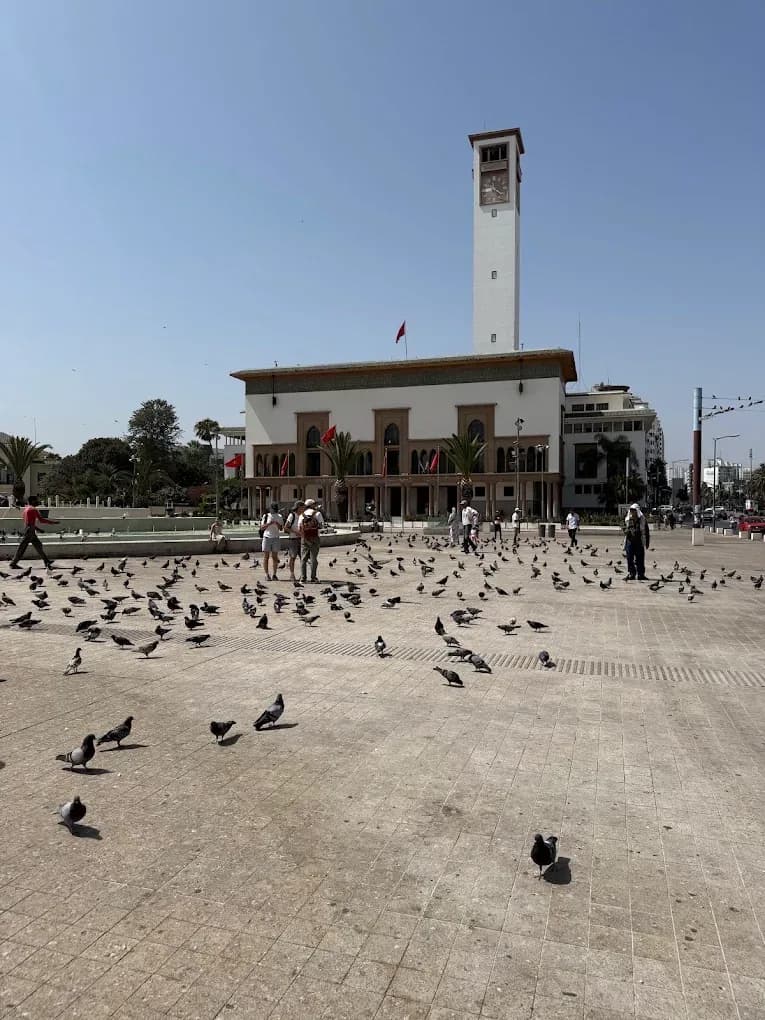
Is Morocco safe to visit? Honest advice from local experts
Fake guides, taxis without meters, pushy sellers in the souks, traffic and desert heat. The real situations travellers run into in Morocco and how we deal with them.
Published on · 9 min read
Yes, Morocco is safe for the vast majority of travellers who take the normal precautions you would take in any tourist destination. What can really spoil a day is petty scams, the odd theft in a crowded street and persistent sellers and fake guides. Violence against tourists is rare. With a bit of information before you arrive, most awkward situations are sorted out in a minute.
We work from Casablanca with travellers from Spain and all over Latin America throughout the year, and we would rather tell you what really happens than sell you a country without problems. Here are the situations we see most, told as they happen, and what we do or advise in each one.
What the official travel advice says
First of all, read what your government says. Spain's Ministry of Foreign Affairs publishes a page of recommendations on Morocco covering safety, health and documents. The US State Department gives every country an advisory level and for Morocco it usually asks travellers to exercise increased caution, as it does with many tourist destinations in Europe and North Africa. The foreign ministries of Mexico, Argentina, Colombia or Chile have their own advice and a traveller registration system.
These advisories usually talk about the risk of terrorism in general terms, which applies to many countries, and ask for caution in remote border areas. The usual routes, such as Marrakech, Fez, Chefchaouen, the Merzouga desert or the Atlantic coast, are travelled by large numbers of visitors. Check the current information before you leave and, if your country offers it, register.
Real situations and how to handle them
Someone tells you the street is closed
This happens mainly in the Fez medina and around Jemaa el-Fna square. A very friendly person tells you that you can't get through that way, that there is a ceremony or that the mosque is closed, and offers to take you another way. That way ends at a shop or at the tanneries, and at the end they ask for a large tip.
What to do: say "no, thank you" with a smile and keep walking. If you really are lost, go into a shop with marked prices or a café and ask there, or open the map on your phone inside, not in the middle of the street. For a first visit to Fez we recommend an official guide for half a day, because the medina is huge and it saves you exactly these scenes. We cover it in what to see in Fez.
The taxi driver who won't use the meter
In Marrakech this is the most common one. You get in, ask, and the driver says the meter is broken or gives you a price three times the normal fare. Ask him to switch it on before setting off or agree the price with the door still open. If you can't agree, get out and wait for the next one; there are plenty.
When you land at the airport, it is easier if you already have a transfer booked. We include it on our tours, and if you are travelling independently you can ask your riad to arrange one.
Photos in the square
In Jemaa el-Fna there are men with snakes, with monkeys or dressed as water sellers who put an animal on your shoulder or step into your photo, then ask for money, sometimes insistently. Agree the price beforehand or, better still, don't take the photo. With the monkeys, our view is that you shouldn't pay: that is what keeps a business going with animals kept in poor conditions.
The henna you didn't ask for
Some women take your hand and start drawing before you have said anything, then ask for a large sum. Pull your hand back early and firmly. If you want a henna tattoo, ask the price first and avoid black henna, which can contain substances that irritate the skin.
Haggling that turns into pressure
Haggling in the souks is normal and part of the deal. Having someone block your way, serve you tea and make you feel obliged to buy is not. You can leave without buying at any point, even if you have asked three prices. If a guide takes you to a shop you didn't ask for, tell him you are not interested and carry on with the visit.
A theft in a crowded street
In Jemaa el-Fna at night, in the main souks and at stations, wallets or phones can be stolen. Wear your backpack on your front in crowds, don't keep your phone in your back pocket or on a café table and go out with just the day's cash. Leave your passport in the safe where you are staying, with a copy on your phone.
If you are robbed, go to the police to report it, as your insurer will ask for the report, and call your consulate if your passport has been taken. If you are travelling with us, tell us first and we'll help you with the steps and the language.
Persistent sellers in the medinas
Sellers call out to every tourist who walks past to get them into their shop. It is tiring, especially for the first two days in Marrakech, but it almost never goes further. A "la, shukran", which means "no, thank you", and not stopping is usually enough. By the third day you barely notice it.
Traffic, the risk nobody mentions
This is what our travellers underestimate most. In the cities traffic is chaotic, and inside the medinas motorbikes, bicycles and carts squeeze through two-metre-wide streets. Look before crossing even if the light is green, and press yourself against the wall when you hear "balak", which means "watch out".
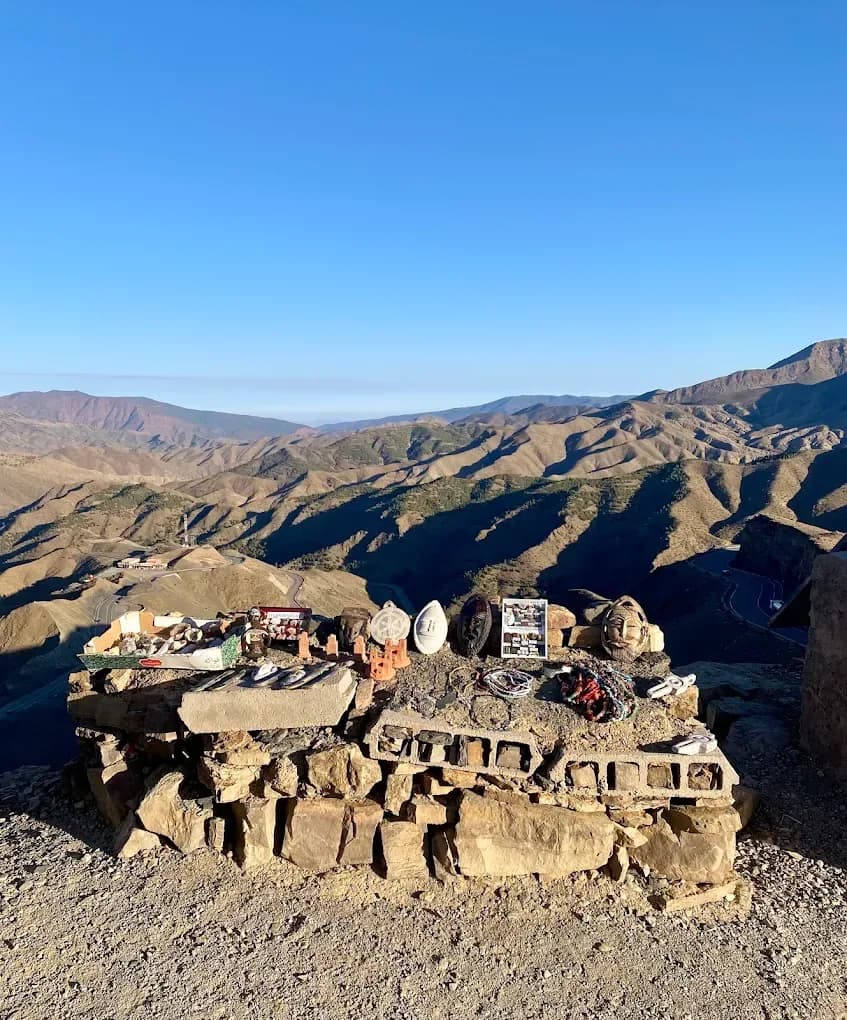
On the road the distances are long. The drive back from Merzouga to Marrakech is 9 or 10 hours with stops, and the Tizi n'Tichka pass has a lot of bends. That is why we prefer our travellers to go with professional drivers who know the route, and if you hire a car we ask you to avoid driving at night in the mountains. If you only need the vehicle, there is our private driver in Morocco service.
Your stomach and the sun
Most of the health problems we see are minor and to do with the stomach or the heat. Drink bottled water, choose food stalls with plenty of local customers, wash or peel fruit and use sun cream, sunglasses and a hat. Travel with medical insurance, because the European Health Insurance Card does not cover Morocco. To know what to order and where, see our guide to Moroccan food.
Safety for women travelling alone
Many women travel alone in Morocco without problems, and it is also true that some have uncomfortable moments: comments, stares or a seller following them for a few metres. This is what our female travellers tell us works.
Wearing loose clothing that covers shoulders and knees cuts down the attention a lot, especially in the medinas and villages. You don't need to cover your hair, except at the odd religious site that asks you to. Walking with purpose even when you don't know where you are, and checking the map inside a café, helps more than you would think. Ignoring comments works better than answering back.
At night, on quiet streets, get a taxi or go with someone. Choose riads with good reviews and attentive staff, who can call a taxi for you or walk you to the edge of the medina. On long journeys and in the desert, a local driver or guide makes a big difference. To understand why some things are seen differently here, read customs and etiquette in Morocco.
Safety in the desert
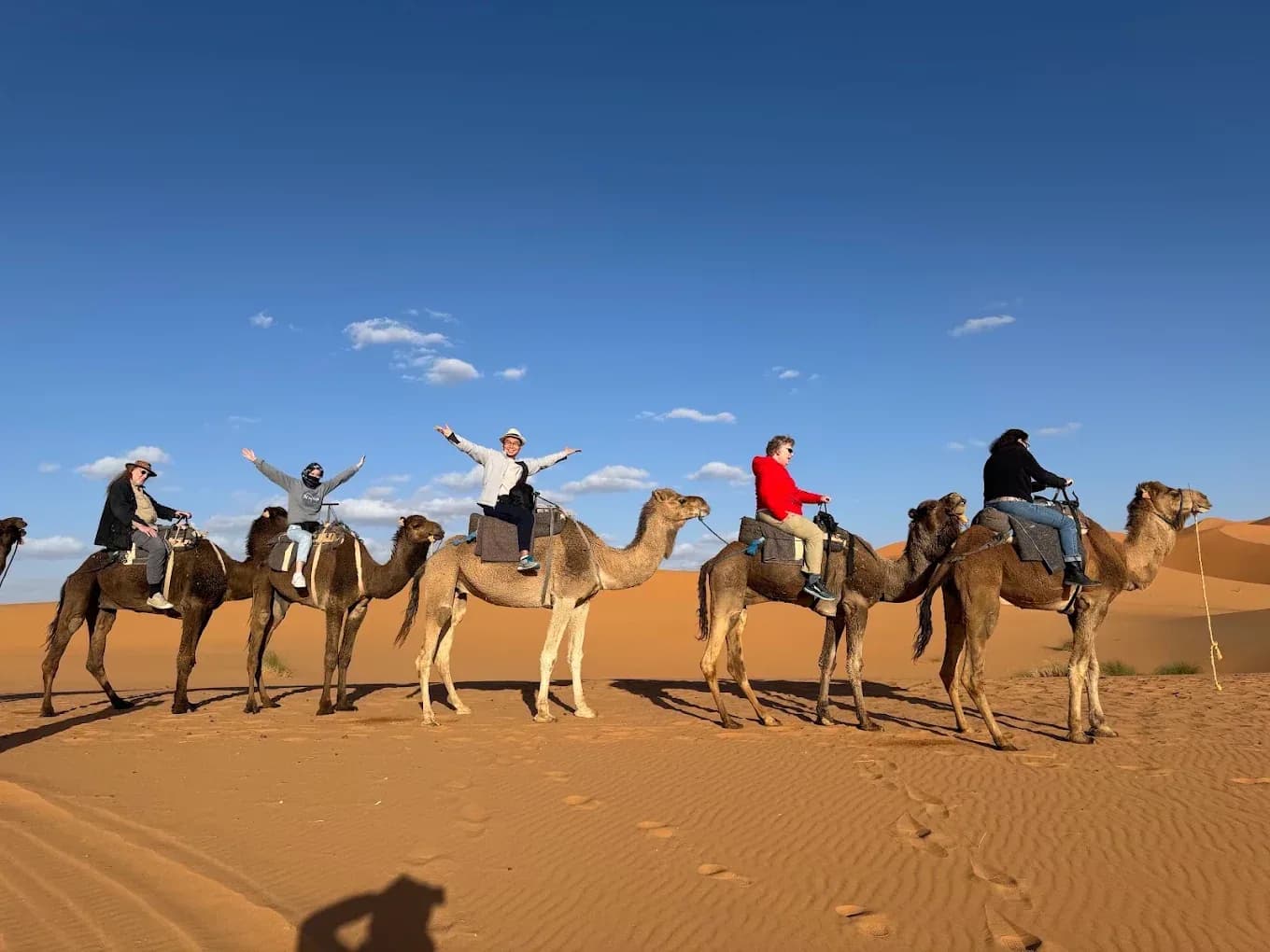
A well-organised night in the Sahara is one of the calmest parts of the trip. The real risks are heat and dehydration from June to September, which you deal with using water, a scarf or turban and morning and late-afternoon timings. In winter, the night-time cold, which can drop to 0 °C; good camps have thick blankets and some have heating.
The other risk is wandering off alone among the dunes at sunset or at night. Two dunes away they all look the same and you lose sight of the camp lights. If you want to climb a dune, tell the staff and take a torch. And if you go quad biking or on a buggy, choose companies that provide a helmet and explain the rules first.
To find out what that night is like, read what it's like to sleep in the Moroccan desert and our comparison Merzouga or Zagora. If you are looking for a tried and tested route, the 3-day trip to Merzouga from Marrakech includes private transport, a Spanish-speaking driver and a selected camp.
What each city is like
Marrakech is the most touristy city and the one with the most sales pressure. The square is safe but very crowded; look after your things and agree prices before any service. More in our Marrakech guide.
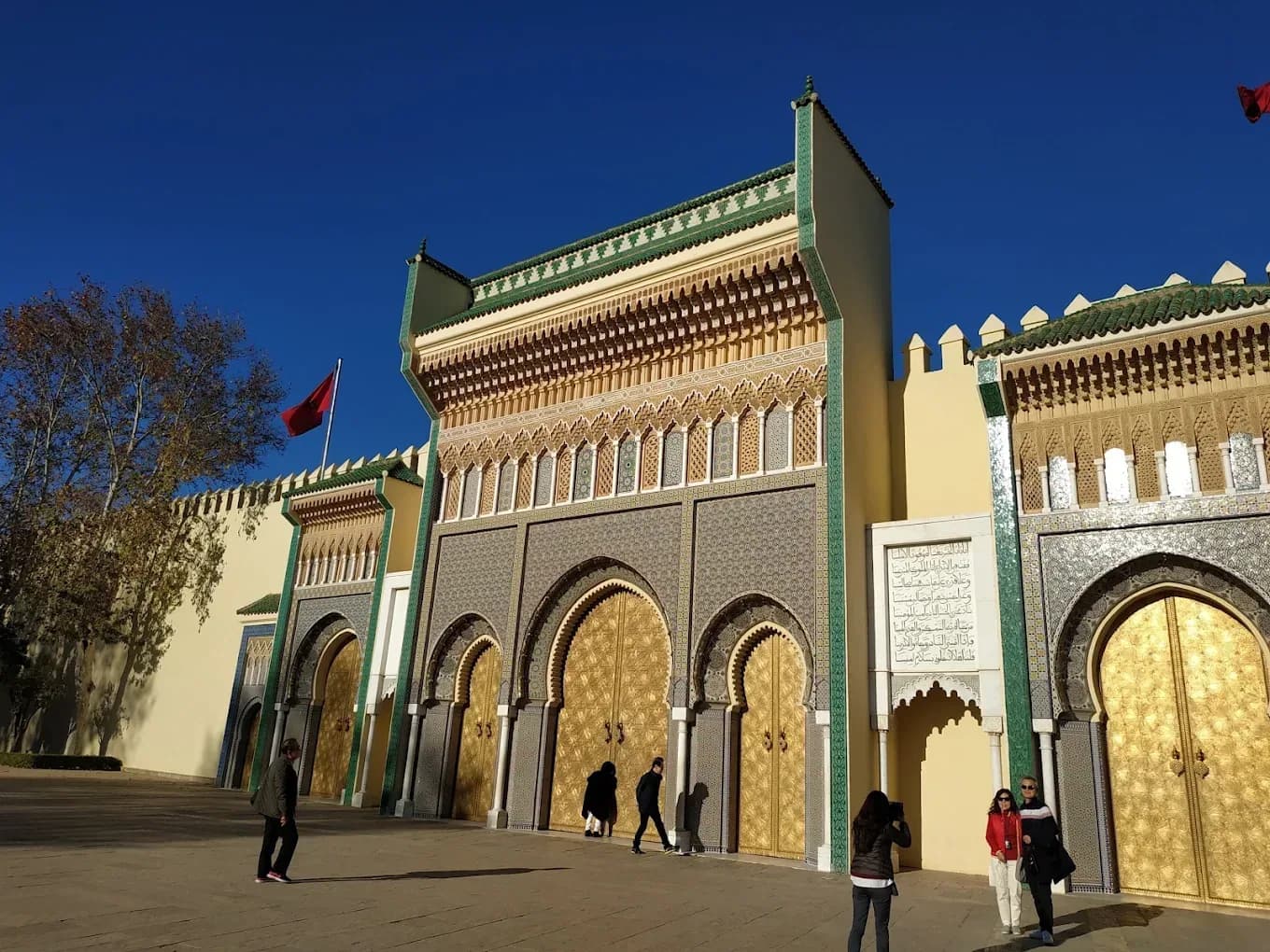
Fez has the largest and most labyrinthine medina. Getting lost for a while is part of the trip, but an official guide keeps the fake guides and commissions away.
Chefchaouen, Essaouira and the Atlantic coast are more relaxed places, where the sales pressure is much lower. Casablanca is a big modern city, with the precautions you would take in any big city at night.
Depending on who is travelling
For a couple coming for the first time, we suggest booking an official guide in Marrakech and in Fez and getting around on your own the rest of the time. It is the combination that best balances independence and peace of mind.
Families with children have fewer problems than they expect: Moroccans tend to be very affectionate with children. The real risk is the motorbikes in the medinas and the sun, so hold hands firmly in the alleys and keep a cap on them. The 8-day trip through the imperial cities and the desert adapts well with slightly shorter stages.
Solo travellers, men or women, feel the pressure more because they are the easiest target for fake guides. Joining a group trip to the desert or booking a driver for the long journeys takes care of the most tiring part.
And if you are short on time, avoid losing half a day arguing with taxis or hunting for your riad in the medina. A booked transfer and a guide for the first few hours are worth it.
Emergency numbers
Save these numbers in your phone:
- Police: 19
- Royal Gendarmerie, in rural areas and on the roads: 177
- Fire service and ambulance: 15
Also note down the number of your country's embassy or consulate in Morocco and your travel insurance. If you travel with us, you also have our phone number throughout the trip, and the driver knows the cities on each stage.
What we do before you arrive
Before you arrive we send you the practical information for the trip, with the accommodation for each night, and explain how to get to a riad inside the medina, where cars can't go. We also remind you to take out insurance before you leave. For everything else you need to prepare, there is our Morocco travel guide.
Moroccan hospitality is real, and most of the people you meet want you to leave with a good memory of their country. If you would rather travel with a driver and Spanish-speaking guides who know the ground, look at our private tours or contact us and we'll plan the route with you.
Frequently asked questions
Is it safe to travel to Morocco in 2026?
For the vast majority of travellers, yes. Morocco receives millions of tourists a year, and in Marrakech, Fez or Chefchaouen you see a police presence in the busiest areas. What usually spoils a day is petty scams, the odd theft or pushy selling, not violence. Before you leave, read the travel advice published by your own government.
Can a woman travel to Morocco alone?
Yes, and many do every year. The most likely thing is that you will hear comments or that a seller in the medina will push harder than you would like. Loose clothing that covers shoulders and knees, a confident stride and not getting drawn into conversation are usually enough. A riad with good reviews and a driver for the long journeys give a lot of peace of mind.
Is the Merzouga desert dangerous?
No, if you go with a reliable company and stick to the timings. The real dangers are summer heat, dehydration and wandering off alone at night among the dunes, where everything looks the same. In winter, the cold. With water, a local guide and a known camp, the night in Erg Chebbi is one of the calmest parts of the trip.
Can you drink the tap water in Morocco?
In the cities the water is treated, but we recommend our travellers drink bottled water, especially in the first week, because your stomach notices the change. It is sold in any corner shop and costs little. For brushing your teeth in a good riad the tap water is usually fine, although if you have a sensitive stomach use bottled water for that too.