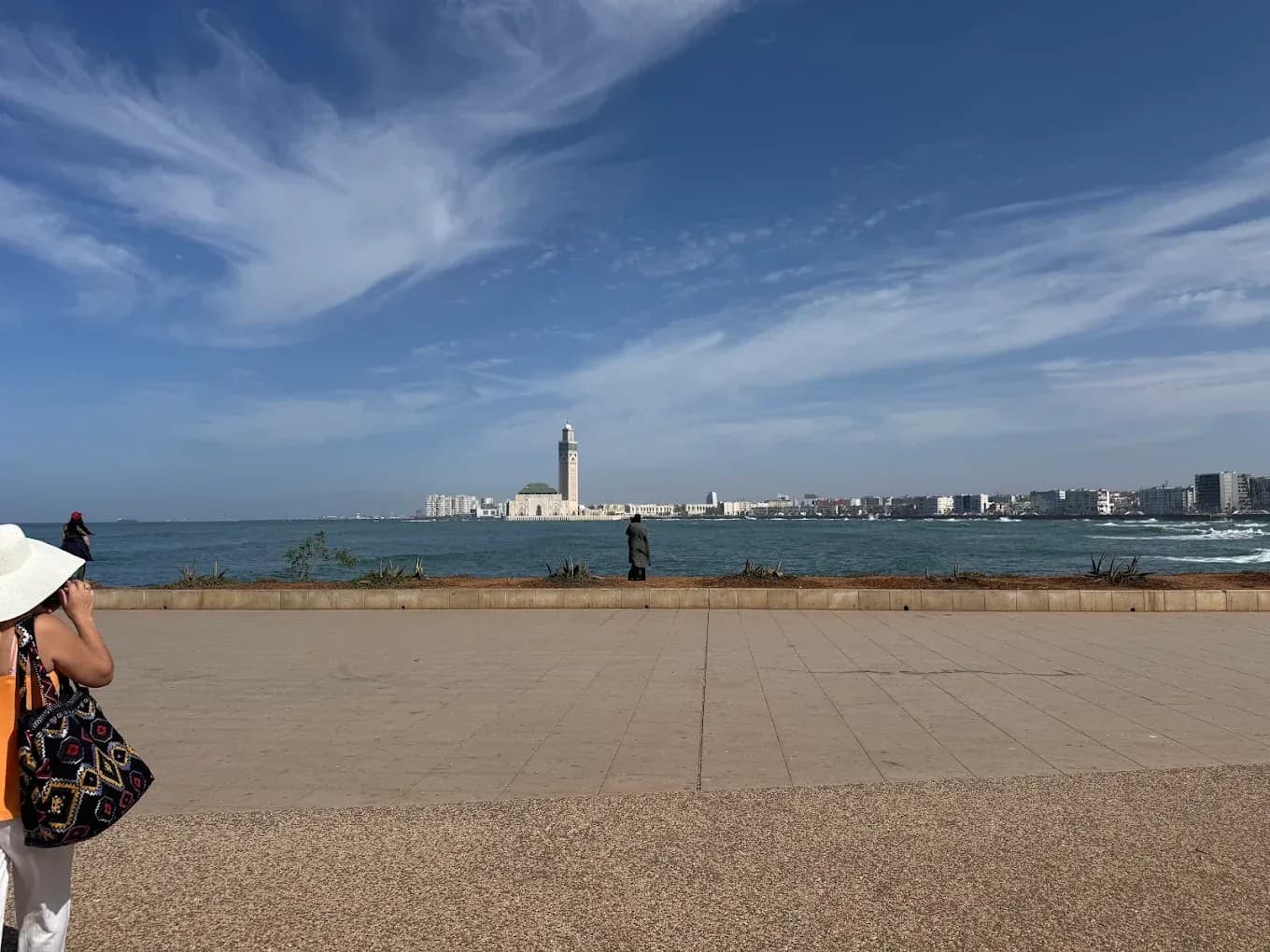
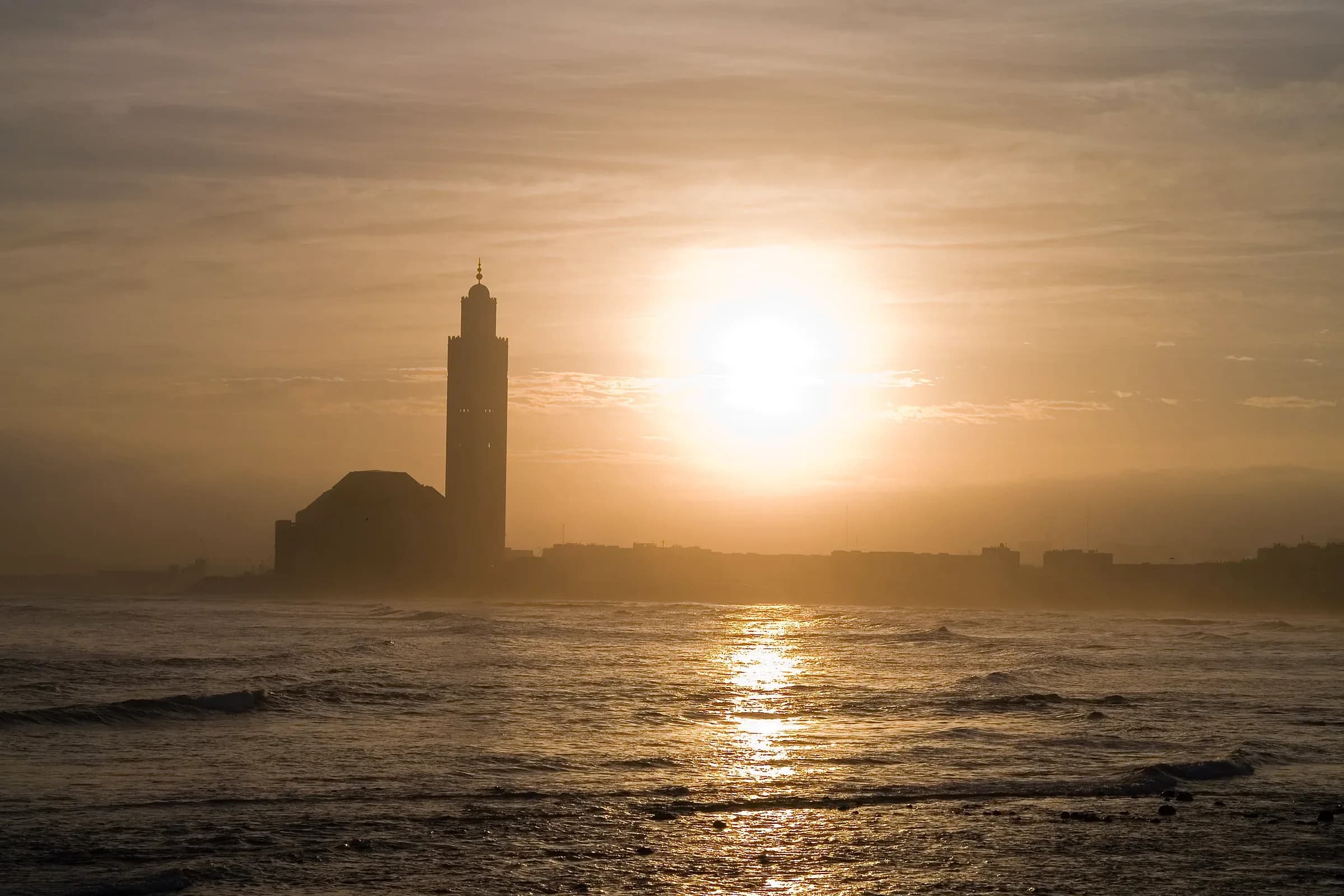
Casablanca Corniche with the Hassan II Mosque in the background

Casablanca-Settat · Morocco

What to see in Casablanca: Hassan II Mosque and more

The big Atlantic city and the Hassan II Mosque

What to see in Casablanca: the Hassan II Mosque, the Corniche, the Habous quarter and the art deco centre. How many hours or days to give it and getting around.
What to see in Casablanca

Many people only pass through the airport, but one day is enough for the Hassan II Mosque and some 20th-century architecture that few visitors expect.

Guided tour

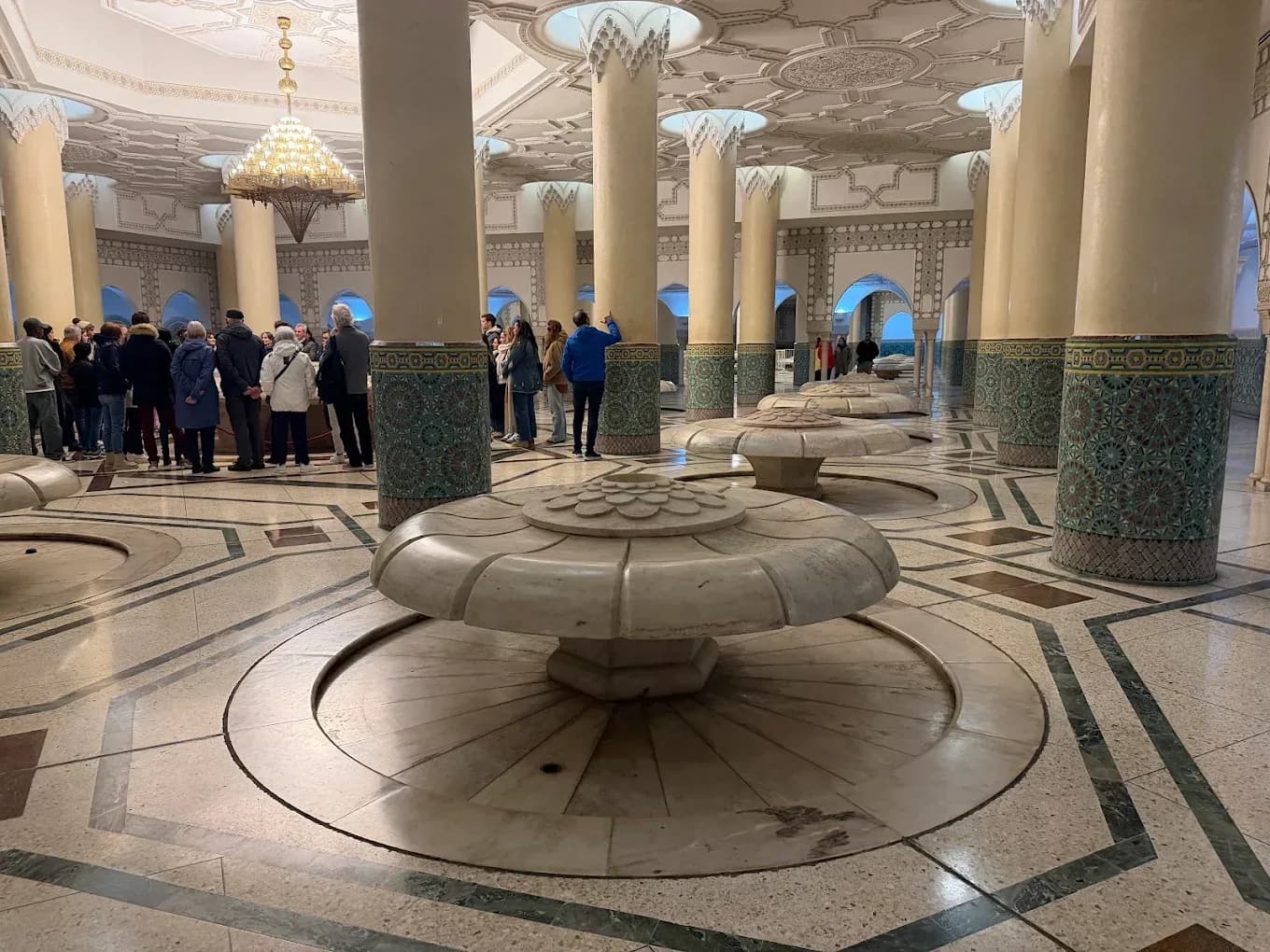
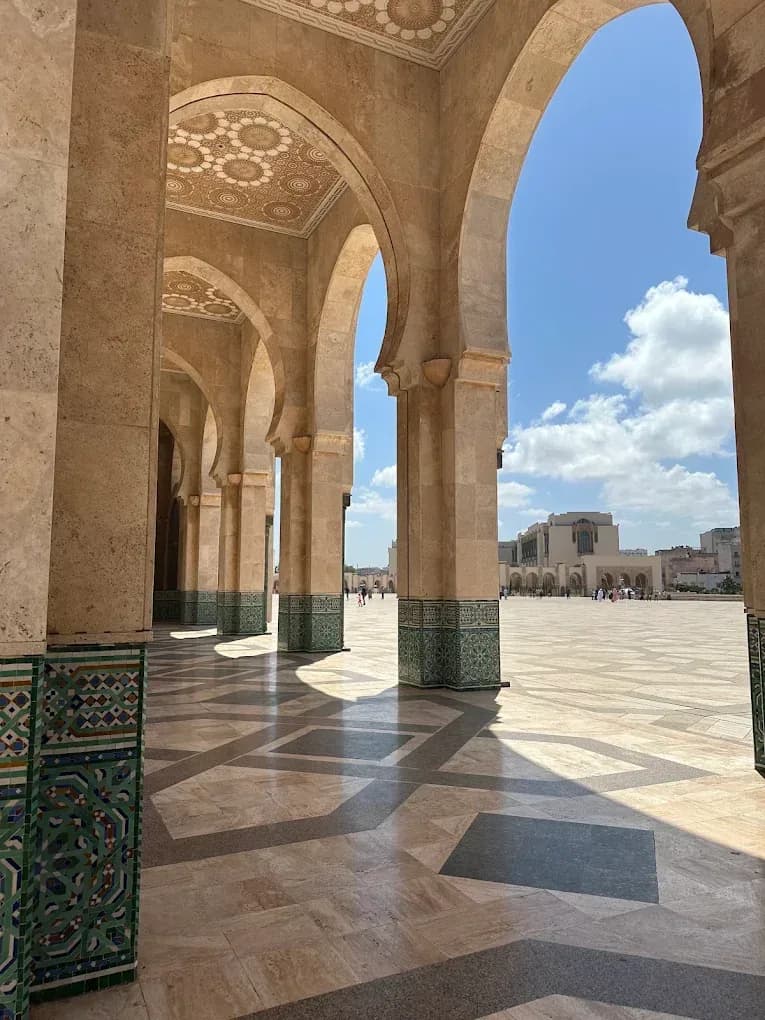
Hassan II Mosque

Built partly over the ocean, with one of the tallest minarets in the world. It's one of the few mosques in the country open to non-Muslims.

  • Shoulders and knees covered
  • Times change, and differ during Ramadan
  • Book ahead in high season
Aïn Diab

The Corniche

A seafront promenade with beaches and cafés that fills with families at sunset.

New medina

Habous quarter

Built in the 20th century in imitation of traditional architecture. Quiet, with crafts and pastry shops.

Place Mohammed V

Downtown art deco

Protectorate-era buildings, art deco and neo-Moorish. Several are run down, but look up and you'll see some very fine details.

By the port

Old medina

Small and short on monuments, with local life and few tourists.

How much time to give it

Half a day

The basics

The mosque and a walk by the sea.

1 day

With the Habous and downtown

You add the Habous and the art deco.

2 days

Day trip to Rabat or the coast

Time to get out of the city.

Arrival

Land and move on

If you arrive in the morning, you see the mosque and carry on the same day towards Rabat and Fez, or towards Marrakech.

See Fez
Departure

Your last night here

When your return flight leaves from here, spend the last night in the city. Travellers from Latin America arrive tired, and one night before moving on helps.

Imperial cities

When to go

  • June – AugustGood timeLess heat than inland.
  • December – FebruaryGood timeMild and a little rainy.
  • All yearGood timeThe Atlantic tempers the climate; you can visit at any time of year.

Casablanca neighbourhoods and areas

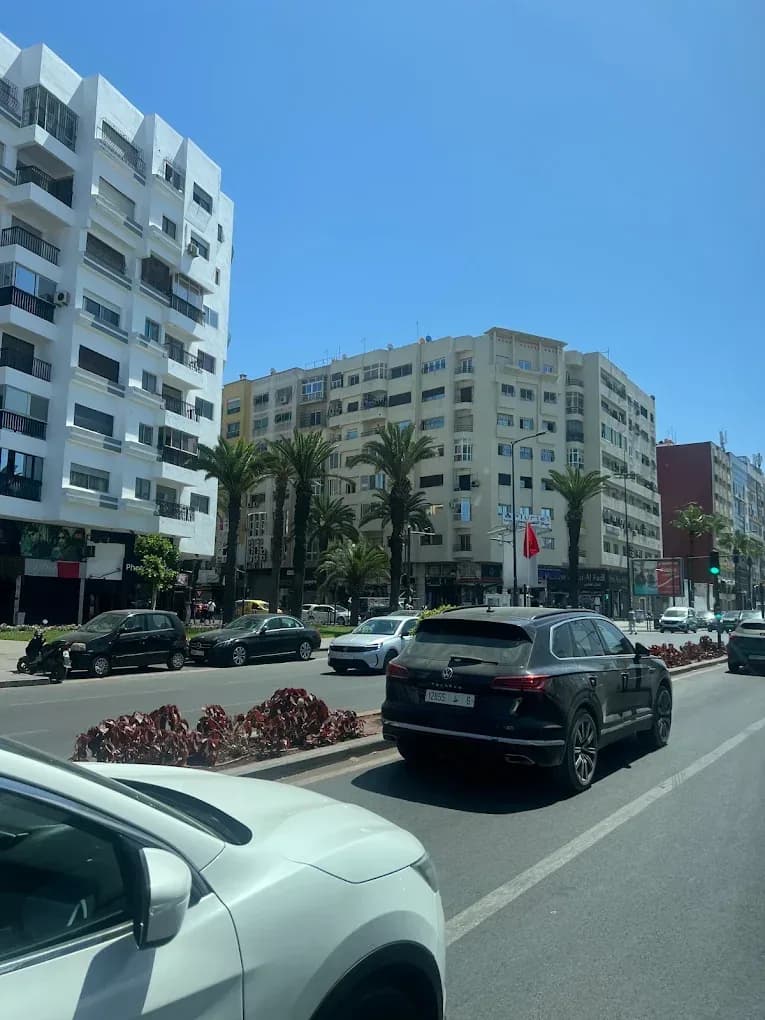
It's a huge, sprawling city; for a visitor, four or five areas are what count.

Between downtown and Maarif

Gauthier

Tree-lined streets between downtown and Maarif, with cafés, bakeries and restaurants where Casablancans eat. A good area for an afternoon stroll and for dinner near the centre without depending on the traffic.

Residential hill

Anfa

Villas, embassies and hotels on the hill above the Corniche. The 1943 Anfa Conference between Roosevelt and Churchill was held here. Today it's a quiet residential area, with little to see but good walks.

Next to the Habous

Derb Sultan

A working-class district with markets selling fabric, kaftans and spices to city people. There's hardly any tourism and prices are local; it's best to go with someone who knows it.

Downtown

Arab League Park

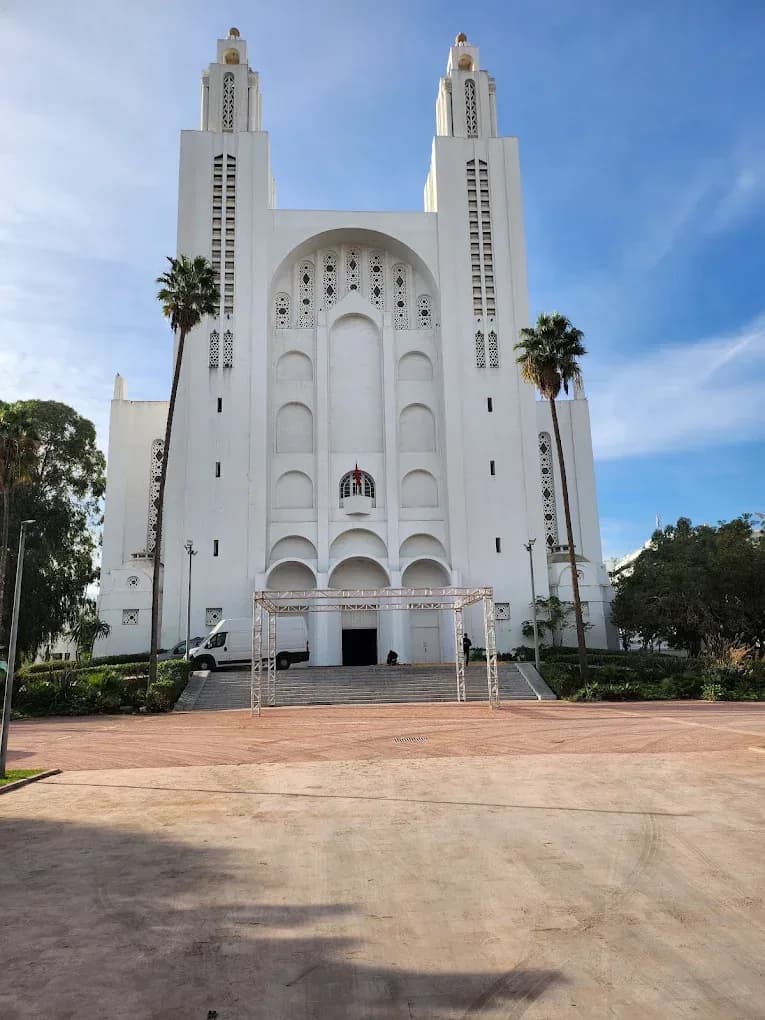
The big park in the centre, with palm trees, cafés and play areas. At one end stands the former Sacred Heart Cathedral, now a cultural venue.

End of the Corniche

Morocco Mall aquarium

The big shopping centre in Aïn Diab has an aquarium, shops and a play area. Useful on a rainy or very hot afternoon, especially with children.

East of downtown

Port and Casa-Port

The renovated Casa-Port station is next to the port and the old medina. Trains leave from here for Rabat and the airport, and you can walk to Place Mohammed V.

1 and 2-day Casablanca itinerary

Day 1, morning

Hassan II first thing

Join the first guided tour of the day, when there are fewer groups, and carry on along the seafront to the old medina, about 20 minutes' walk. Wear clothes that cover your shoulders and knees.

Day 1, afternoon

A walk through downtown

From Place Mohammed V, walk down Boulevard Mohammed V to the Central Market, looking at the 1930s façades. Opposite the market is the Hotel Lincoln, the best-known building on that street.

Day 1, evening

Sunset in Aïn Diab

A taxi to the Corniche, about 20 minutes from downtown if there's no traffic jam, to watch the sun go down over the Atlantic. Have fish by the sea, or head back downtown for dinner in Gauthier.

Day 2

The Habous in the morning

Tram or taxi to the Habous for pastry shops and crafts; on the way back, Arab League Park. In the afternoon you can already set off for Marrakech or the desert.

7 days to the desert
Day 2, alternative

The capital in a day

An hour by train from Casa-Port to Rabat. The Kasbah of the Udayas in the morning, the Hassan Tower and the Mausoleum of Mohammed V after lunch, and back to Casablanca for dinner.

See Rabat

A short history of Casablanca

There was once a small Berber port here, Anfa, which the Portuguese destroyed in the 15th century. Sultan Mohammed ben Abdallah rebuilt it in the 18th century under the name Dar el Beida, "the white house", which Spanish merchants translated as Casablanca.

Under the French protectorate, from 1912, it became the country's great port and grew at full speed; its art deco buildings date from that period. The 1942 film was shot entirely in Hollywood.

Architecture to see downtown

Almost everything lies within a one-kilometre radius of Place Mohammed V; you can see it in two hours on foot.

Place Mohammed V

The Wilaya and its clock tower

The former administration building, in neo-Moorish style, with the tower you can see from all over the square. Around it are the law courts and the post office building.

Boulevard Mohammed V

1930s façades

Curved balconies, floral reliefs and old signs over the doorways. Many buildings are run down; walk with your eyes up and step into any open doorways to see the staircases.

Art deco

Cinéma Rialto

One of the protectorate-era cinemas still standing, with its original façade. Seeing the façade is enough; if there's a screening, the interior has been preserved too.

Arab League Park

Sacred Heart Cathedral

A white 1930s church facing Arab League Park, mixing neo-Gothic style with local details. It no longer holds services and is used for exhibitions and events; you can see the outside at any time.

Habous

A 1930s new medina

The French built it following the layout of a medina, with arches, squares and the Moulay Youssef Mosque. It's tidier and cleaner than any old medina.

Anfa and Oasis

Modernist villas

In the upper streets of Anfa and in the Oasis district there are villas from the 1930s to the 1950s, with straight lines and white terraces. You see them from the street: nearly all are private homes.

What to eat in Casablanca and where

Boulevard Mohammed V

Fish from the Central Market

You choose your fish or seafood at a stall and the little eateries inside the market grill it for you. There are oysters from Oualidia; ask the price per kilo first.

Habous

Sweets to take away

Fekkas biscuits with almonds, gazelle horns and makrout are sold by weight. A mixed box makes a good gift on the last day of the trip.

Gauthier and Maarif

Pavement cafés

Casablancans spend hours on café terraces with the chairs facing the street. A coffee or tea costs little, and it's the best way to see the modern city.

Friday

Couscous after prayers

Friday is couscous day at home, and many popular restaurants only make it that day, at lunchtime. If you're in the city on a Friday, that's your lunch plan.

Corniche

Aïn Diab terraces

Restaurants in Aïn Diab are pricier than those at the Central Market, but they have terraces over the Atlantic. To eat well for less, go to the market at lunchtime and to the Corniche only for a drink.

Ramadan

Harira to break the fast

During Ramadan, when the sun sets, the streets empty and homes and cafés serve harira with dates and chebakia. That month many popular restaurants close at midday.

Ramadan in Morocco

Getting around and safety in Casablanca

Airport

Transfer from Mohammed V

The big white grand taxis at the airport charge a fixed fare to the centre, more expensive than the train. If you arrive at night, with children or with a lot of luggage, book the transfer.

Private driver
Petit taxi

Passengers who hop in

The red taxis pick up other people along the way, and that's normal. Everyone pays for their own stretch; check the meter when you get in.

Getting around
Two stations

Casa-Voyageurs or Casa-Port

Trains to Marrakech and Fez, and the high-speed train to Tangier, leave from Casa-Voyageurs. Casa-Port, downtown, is for Rabat and the airport. Check your ticket to see which station you leave from.

Tram

Tram card

You buy it from the machines at the stops and validate it when you board. The lines link downtown with the Corniche, Casa-Voyageurs and the southern districts, and they avoid rush-hour traffic.

At night

The old medina after dark

At night, it's better to walk round it along the boulevard than to go into its alleys. Keep your phone put away at crowded tram stops.

Corniche

Swimming in the Atlantic

There are currents and the water is cold most of the year. Only swim where there are lifeguards, and with children, don't let them go deeper than waist height.

Where to stay

Station

Downtown

Near Casa-Port and Place Mohammed V; handy for the train and tram.

Modern

Maarif

A district with lots of hotels.

Seafront

Aïn Diab

Hotels along the Corniche, comfortable for a rest or if you arrive late.

Early flight

Near the airport

Saves you a very early start.

How to get there and around

By air

Mohammed V Airport

There's a train to the centre. Change a little money when you arrive or use an ATM.

Practical information
Rabat and Tangier

High-speed rail north

Linked by fast train.

See Tangier
In the city

Tram and red taxis

Ask for the meter; if the driver won't use it, find another taxi. At rush hour a short ride takes a long time.

Before you go

Our office is here, so we know the city well. It doesn't have a medina like Fez or Marrakech and the traffic is heavy, but for one or two days it works.

Before you fly, check the entry requirements and the best time to go. Many of our private tours start from here. See the Morocco travel guide or write to us.

Day trips from Casablanca

1 hr by train

Rabat

The capital: the Kasbah of the Udayas, the Hassan Tower and the Mausoleum of Mohammed V.

Coast

El Jadida

The former Portuguese Mazagan, known for its cistern.

Day trips
Lagoon

Oualidia

On the Atlantic, famous for its oysters.

Frequently asked questions about Casablanca

Is Casablanca worth visiting?

Yes, for at least half a day or a day. The Hassan II Mosque is one of the country's great monuments and the city shows modern Morocco. As the main airport is here, many travellers include it at the start or end of their trip.

Can you go inside the Hassan II Mosque?

Yes, it is one of the few mosques in Morocco open to non-Muslims, on guided tours at set times with a paid ticket. Times vary by day and during Ramadan; always check with official sources before you travel.

How do you get from Casablanca airport to the centre?

Mohammed V airport has a direct train to the city centre, and there are also taxis and private transfers. The journey takes about 40 minutes depending on traffic. Trains with connections to Marrakech also leave from the airport.
Tours and day trips from Casablanca

Routes and activities that start in Casablanca.

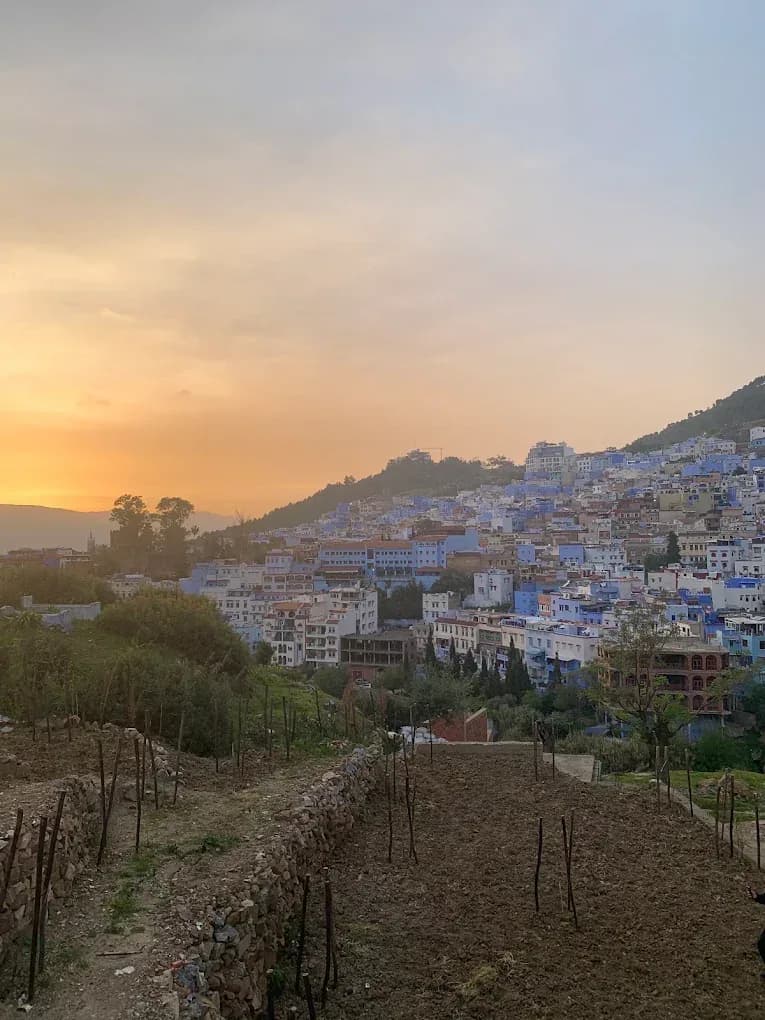
Chefchaouen at sunset from the hillside
Imperial citiesRecommended
10 days / 9 nightsFrom CasablancaPrivate

Round Morocco in 10 days from Casablanca

Ten private days from Casablanca: Rabat, Chefchaouen, Fez, Meknes, the Merzouga desert, the kasbahs of the south and Marrakech, with the driving spread out.

Hassan II Mosque in Casablanca at sunset, with the sun over the Atlantic Ocean
Group tours
10 days / 9 nightsFrom CasablancaSmall group

Casablanca to Marrakech in 10 Days with a Small Group

You land in Casablanca, see it with a guide and head north via Rabat, Chefchaouen and Volubilis. Then Fez, the Sahara, the kasbah valleys and, to finish, Marrakech from morning to night.

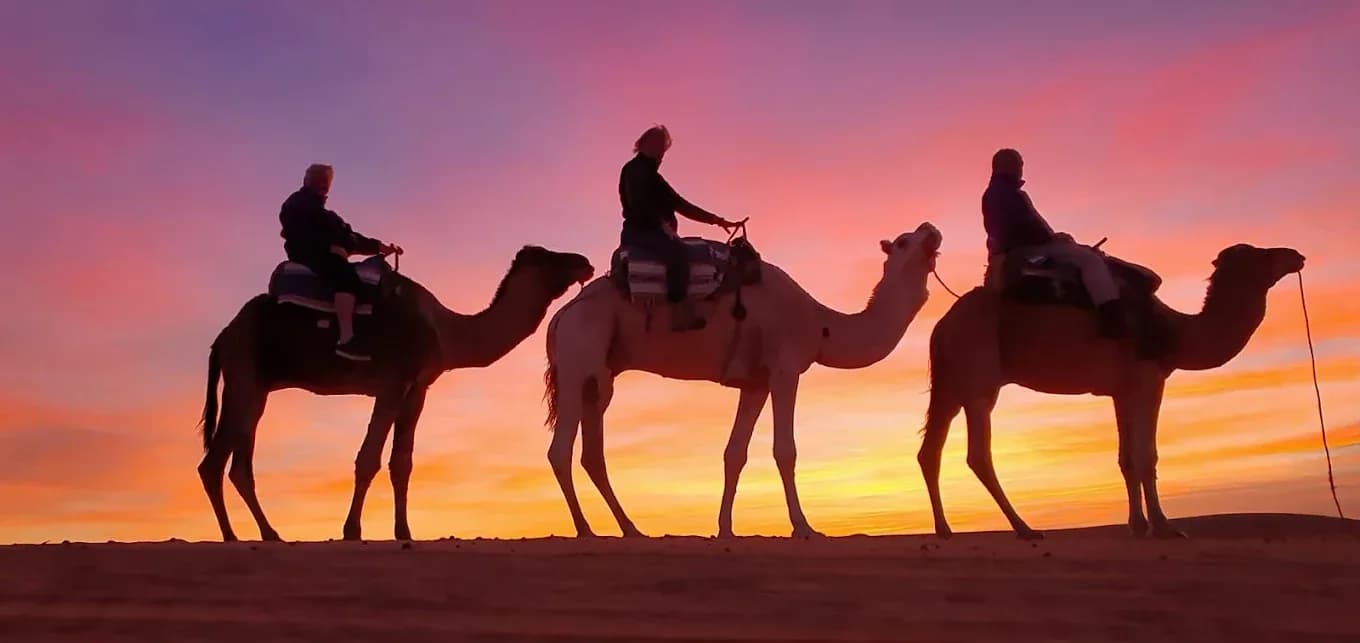
Caravan silhouettes against a pink sky
Private tours
7 days / 6 nightsFrom CasablancaPrivate

Casablanca, Rabat, Fez and Merzouga: a private week

A private week starting and ending in Casablanca: Rabat, Fez, a night in the Merzouga dunes, the Todra Gorge and Marrakech, with a Spanish-speaking driver.

Other tours that pass through Casablanca

Private and small-group routes with a local guide.

More about Casablanca

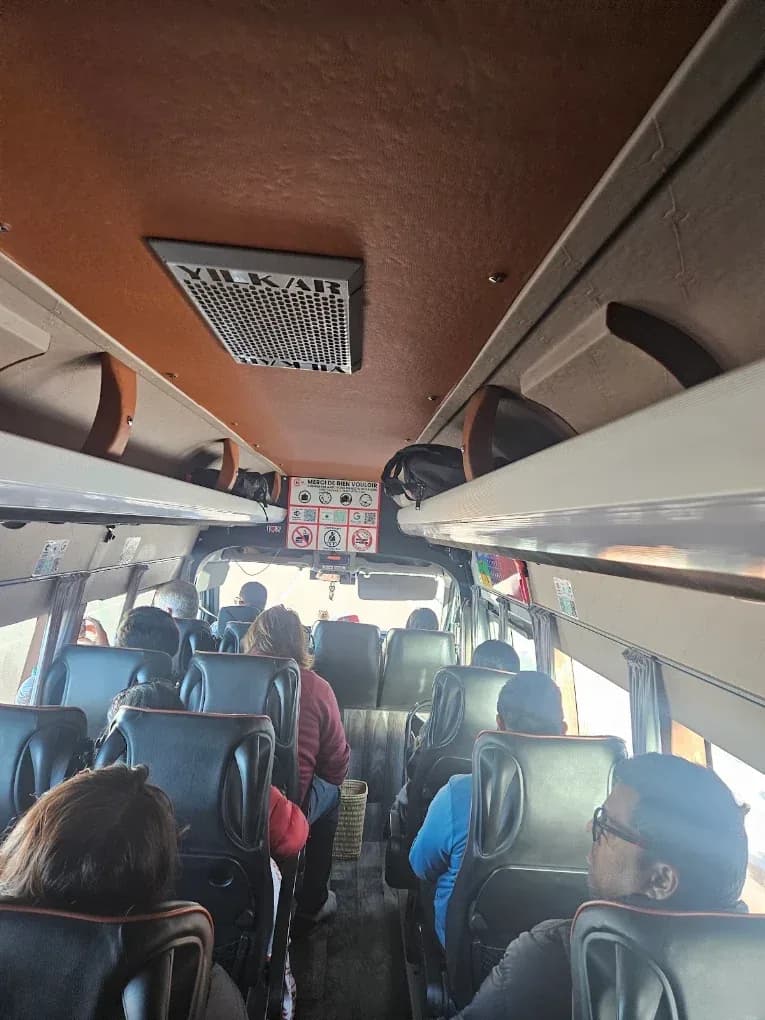
Inside the travel minibus
Plan your trip
9 min read

Morocco entry requirements: passport, visa and customs

Passport, visa depending on your country, electronic authorisation, insurance and customs. What our travellers from Spain and the Americas ask before coming, with where to check each point.

Would you like help planning your trip to Casablanca?

Tell us your dates, how many people are travelling and what you'd like to see. Within 24 hours we'll send you a route and a price.